Best 15% Tint For Cars Guide 2024!

In the world of car customization, choosing the right tint can be a puzzle. With many options, selecting a high-quality window tint film that meets your needs is crucial. You want to control how much light enters your car, but making the right choice can be overwhelming with so many shades.
Opting for the wrong tint level can lead to dissatisfaction. Too dark, and you might struggle with visibility; too light might not offer the privacy or sun protection you want. It’s a delicate balance between aesthetics and functionality.
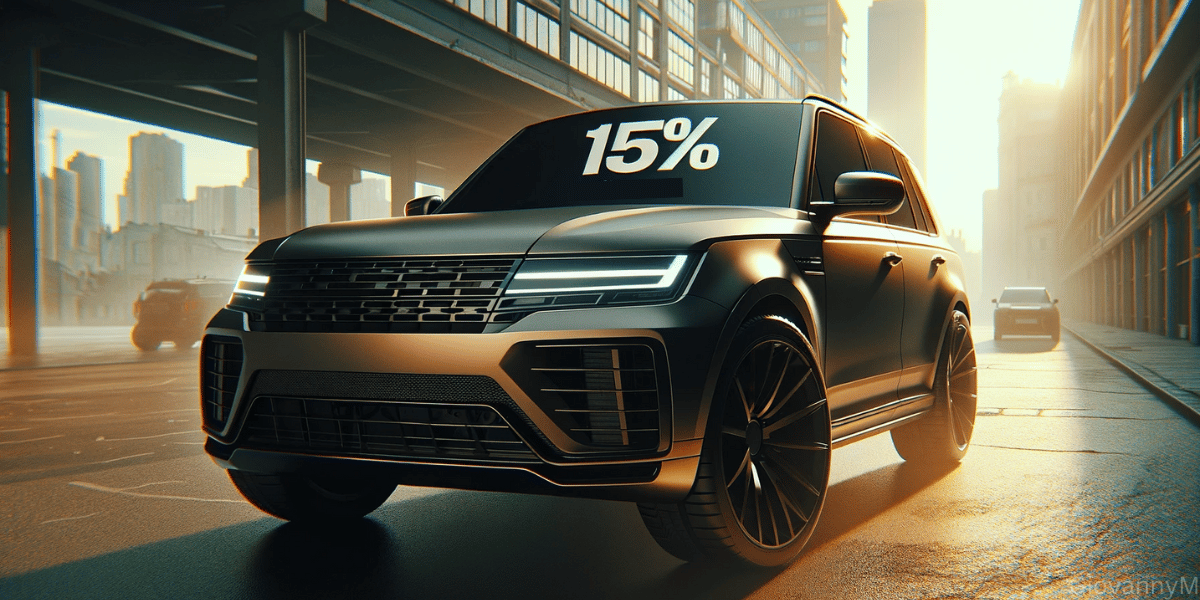
Here’s 15% tint on car. With its moderate visible light transmission, this tint level offers a perfect middle ground. It blocks a significant amount of light while still allowing enough visibility. I’ve seen how 15% tint provides the ideal blend of privacy and clarity, making it popular among car enthusiasts.
TL;DR:
- 15% tint offers a balance in visible light transmission.
- Ideal for those seeking privacy without sacrificing too much visibility.
- High-quality film ensures durability and effectiveness.
- Perfect for reducing glare and protecting against UV rays.
What Is A Window Tint?
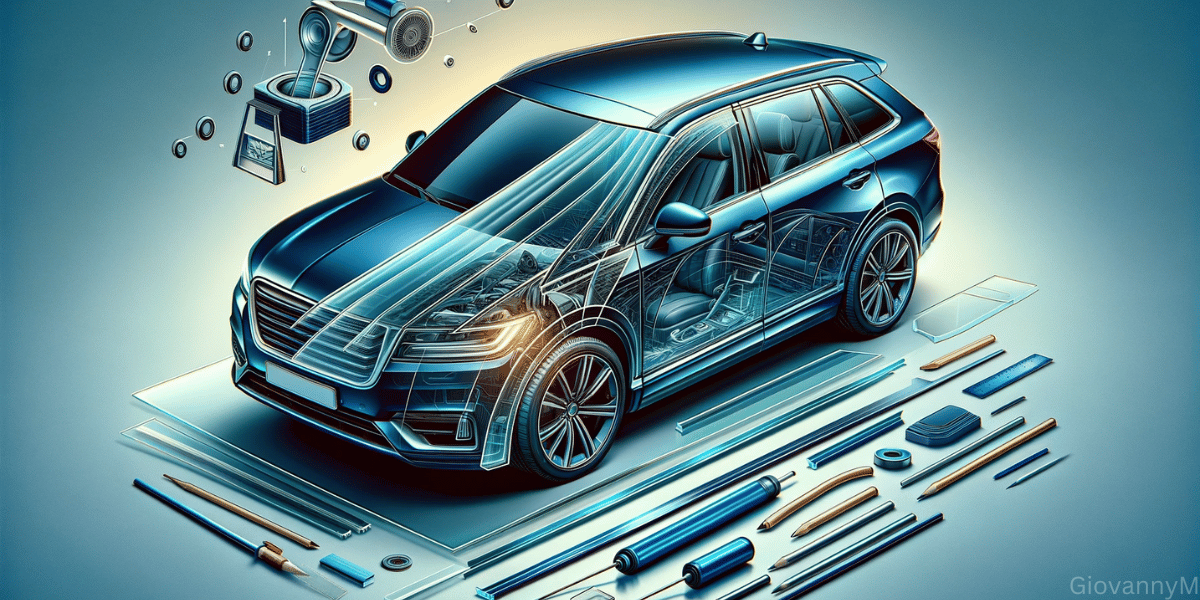
Window tint film is like a superhero cape for your car’s glass. It’s a thin laminate film applied to a vehicles windows. The main gig of window tint is to control the amount of sunlight entering the car.
This control helps in reducing glare and heat and provides a bit of privacy. The tint darkness, or how dark the film is, varies. It ranges from lighter almost invisible to so dark you might wonder if it’s always night.
Each tint shade has its perks, like lighter tints keeping things chill without turning your car into a bat cave, while darker tints give you that incognito vibe. It’s all about finding what works for your ride and your style.
15% Tint Compared to Other Tints
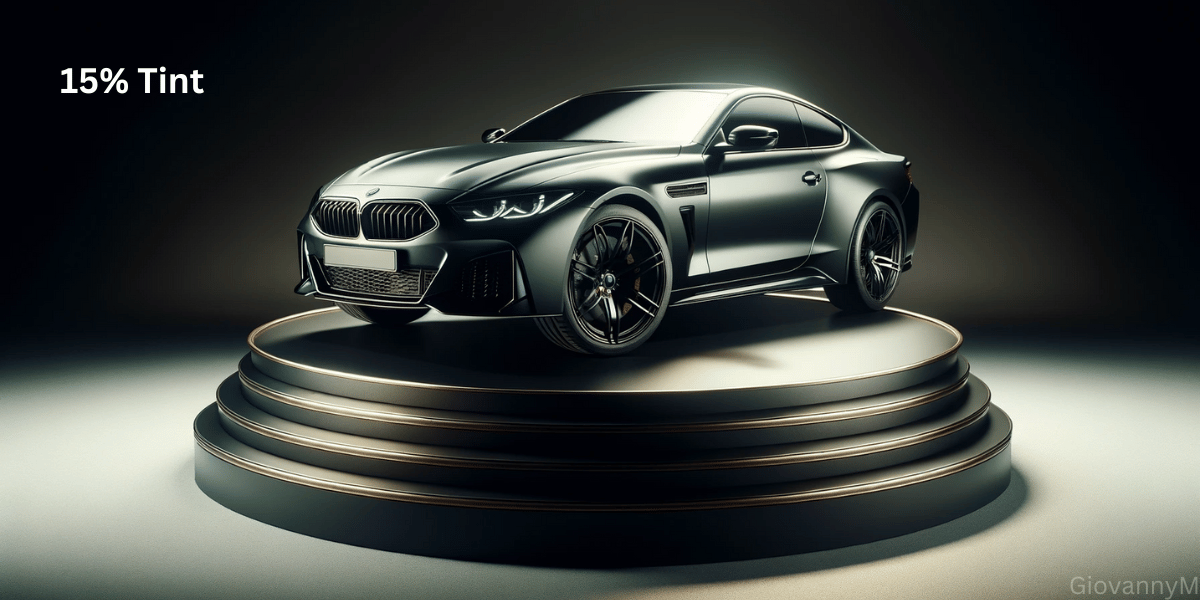
When it comes to window tint film, 15% tint is like the middle range percentage in the family of tints. It’s darker than the common 35% or 50% tints but not as dark as the 5% ‘limo’ tint.
There are many tint shades to choose from. This level of dark tint on your car’s glass means it blocks 85% of the light, making it quite dark, but not so much that you’re driving in the dark. In my experience, it’s a popular choice for those who want their ride to have that sleek, mysterious look without losing too much visibility. I
t’s like wearing sunglasses that are just dark enough to keep the sun out but still let you see clearly. The key is balancing how much light you want to block with being able to see comfortably.
Legality of 15% Tint
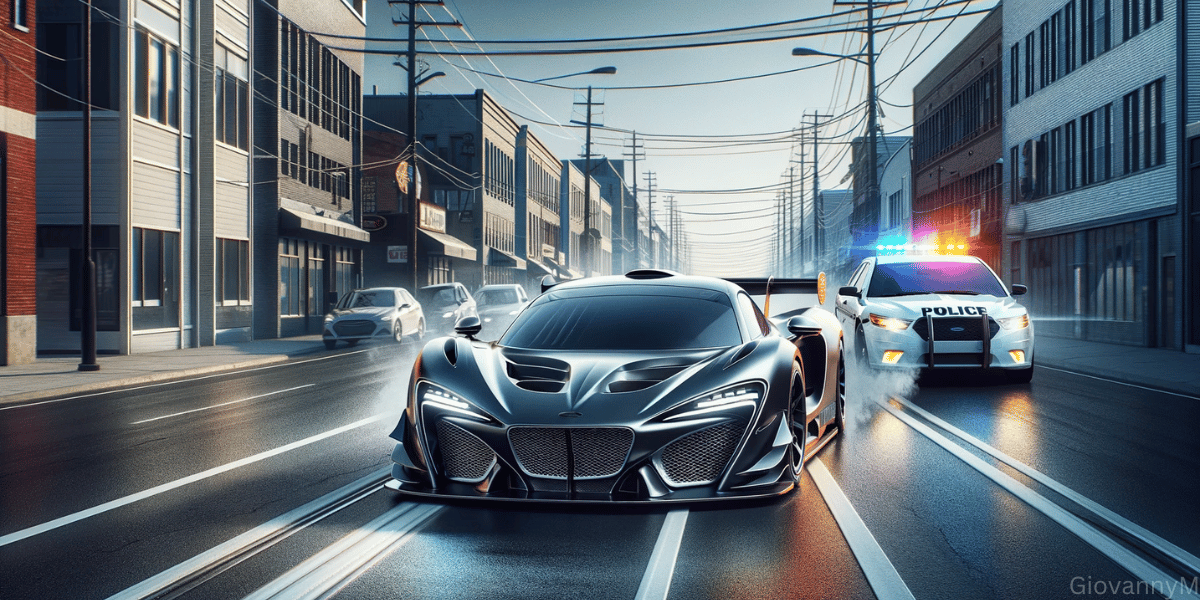
When it comes to the legality of 15% window tint film, it’s a bit like walking a tightrope. The percentage of tint, which refers to how much light the film allows through, can make 15% tint illegal in some states.
Each state has its own rules about how dark tint can be. For example, some places are cool with darker tints, while others might give you a ticket for anything darker than 50% on your vehicles. From my experience, it’s always best to check your local laws before going for that super dark, secret-agent look on your vehicles.
It’s like deciding whether to wear a flashy suit – you want to ensure it’s appropriate for where you’re going. So, before you dive into the world of darker tints, do a quick check of your location to keep things on the right side of the law.
Professional Or DIY
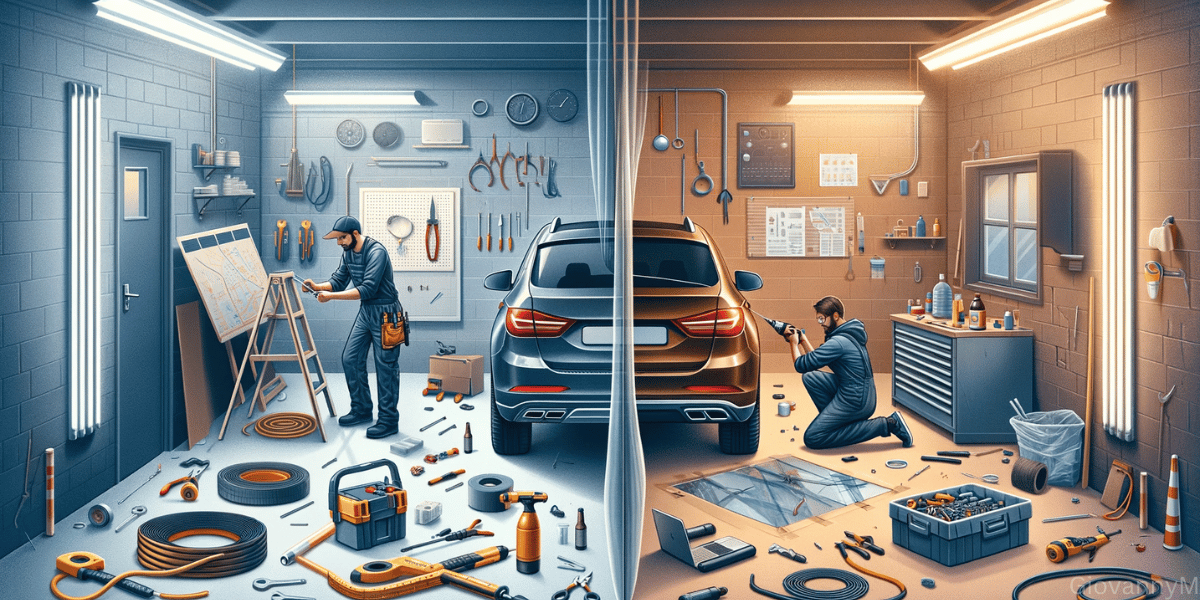
Deciding between professional or DIY window tint film installation is like choosing between eating out or cooking at home. Going pro can be more expensive, but you’re paying for expertise and quality.
They know how to apply the film for maximum privacy and reduce the risk of bubbles or peeling. On the flip side, DIY might seem easy and less costly, but it’s tricky. I’ve tried it, and let’s just say, it’s not as simple as slapping on a sticker.
You need the right tools and patience. If you mess up, to remove the film can be a hassle. It’s like baking a cake – sure, you can do it yourself, but if you want it to look and taste perfect, maybe leave it to the pros.
Types Tint Films
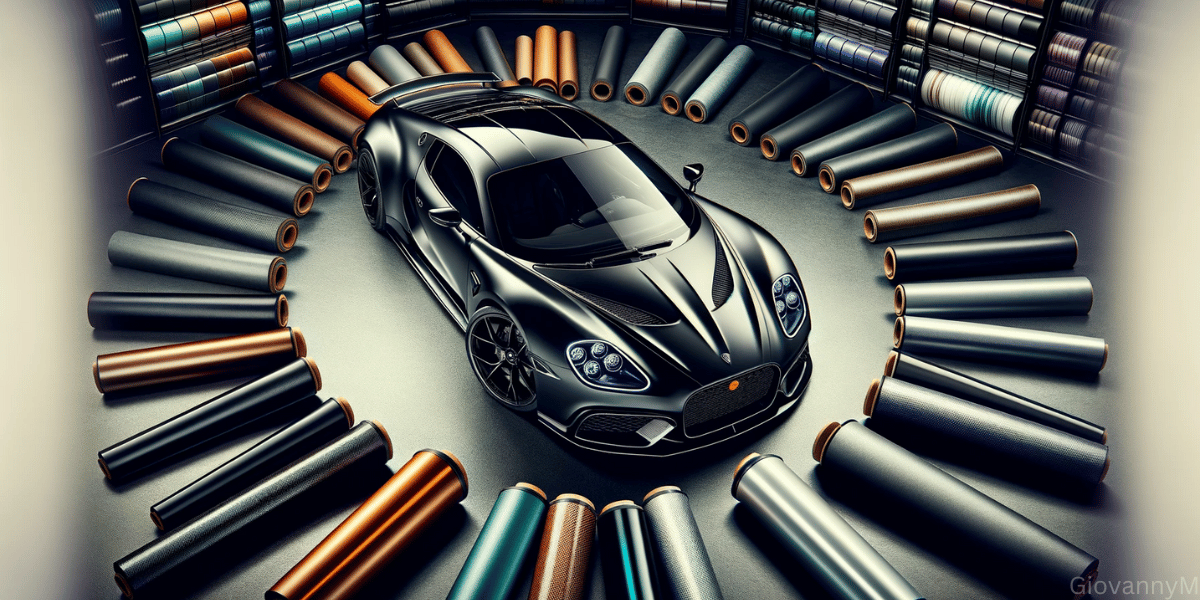
In the world of window tint film, you’ve got various tint options to choose from, each with its own kinds of flavor.
Dyed Window Tint:
This is your basic, no-frills choice, just a dye added to the tint. It’s like the comfort food of tint – good for privacy, glare and keeping your car cooler, but it won’t reduce UV radiation like the fancier options.
Metalized Window Tint:
This one’s got a bit of bling. It reflects heat and cuts down on glare, plus it’s a champ at blocking UV rays. But metal might interfere with your phone or gps signals – a bit like trying to stream music in a tunnel or a metal box.
Ceramic Window Tint:
The gourmet option. It does everything the metalized tint does but without interfering with your gadgets. It’s like having a top chef cook for you but without the hefty bill an industry leader.
Carbon Window Tint:
This one’s sleek and practical. It reduces heat, glare and protects from UV rays, all while keeping your car looking sharp with its matte finish.
Smart Tint:
The tech whiz of the bunch. It’s not just about privacy, light and reducing heat; it’s about control. You can switch it from clear to opaque with a click – like having a remote control transmit a signal to your windows.
Final Thoughts on 15% Window Tint
Wrapping up and choosing the right window tint film for your vehicle is about striking a balance. Tint darkness and the amount of visible light you let in can make a huge difference in your driving experience.
From my time tinkering with tints, I’ve seen how a 15% tint can transform a car, giving it that cool, mysterious look while letting you see where you’re going. It’s like picking the perfect hat – you want it to look good but also to see under the brim.
Remember, each type of tint has pros and cons, so consider what’s important for your ride. Whether it’s privacy, heat reduction, or just making your car look snazzy, there’s a tint out there that’s just right for you.