Ceramic Tint Explained: Best Guide For Car Enthusiasts 2024

When speaking about any car window tinting, protecting it from scratches, and making a noticeable difference, ceramic tint often comes to mind.
However, not everyone understands the real value it brings to the table. Imagine driving on a sunny day, and instead of squinting through the glare and feeling like you’re in a sauna, your ride is cool and comfortable, and your car’s interior looks as sharp as ever.
This isn’t just a pleasant scenario but a reality for those who choose ceramic tint for their vehicles.
The problem many face is the sun’s relentless rays causing not only discomfort but potential harm to the car’s interior and even to themselves. The pain of discovering a new scratch on your beloved vehicle’s window, or the frustration of the interior fading.
Ceramic tint offers a solution to these issues, providing a shield that significantly reduces these risks.
With its advanced technology, ceramic tint goes beyond mere appearance. It offers a durable layer of protection against scratches, a significant difference in blocking ultraviolet rays, and an overall improvement in your vehicle’s comfort.
What is Ceramic Tint?
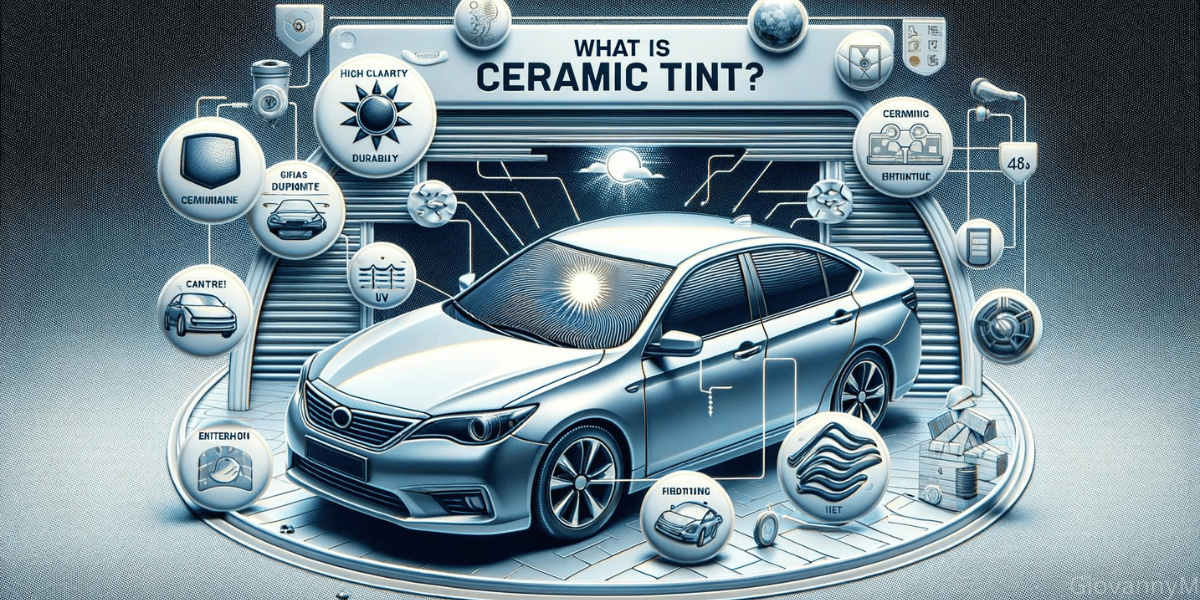
Ceramic tint is a type of window film that utilizes nano ceramic technology, offering car owners a premium option for upgrading their vehicle’s windows. Unlike traditional tints, ceramic tint doesn’t contain metals or dyes.
Instead, it’s packed with ceramic particles that are both non-conductive and non-metallic. This technology allows the tint to provide superior heat rejection and UV protection without interfering with electronic devices inside the car.
It’s a top pick for car enthusiasts looking to boost comfort and protect the interior of their vehicles from sun damage. Plus, the durability of the ceramic particles ensures that the tint remains effective and looks great for years, making it a smart investment for those who want to keep their car cool and stylish.
Benefits of Ceramic Window Tint
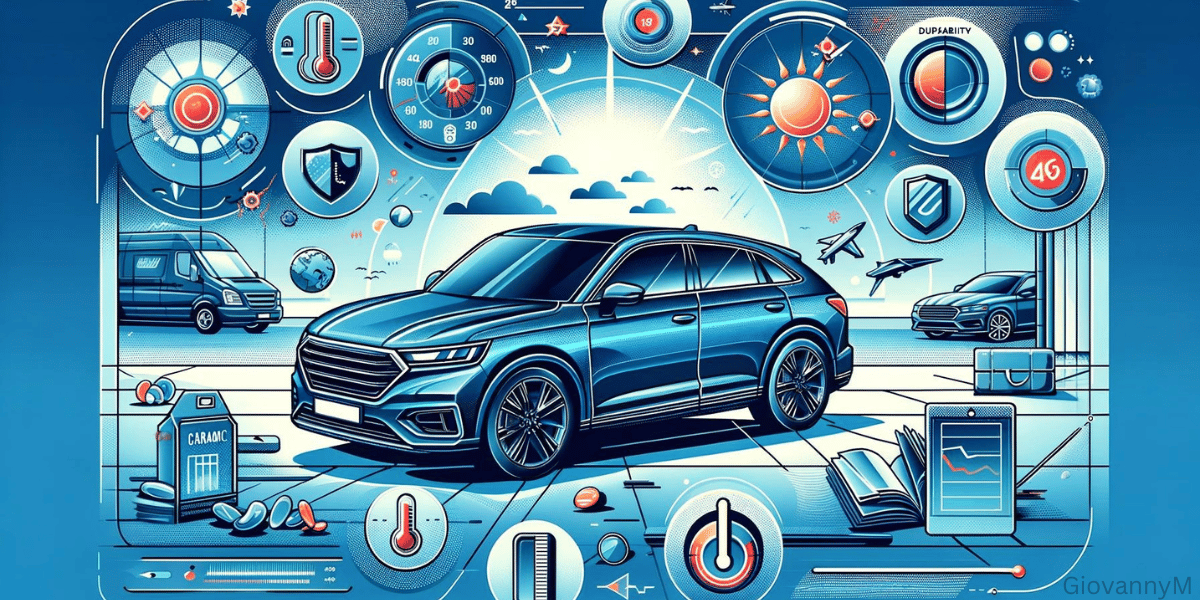
Superior Heat Rejection: Ceramic window tint uses ceramic particles to reflect and absorb infrared radiation, significantly reducing the heat inside your car.
UV Protection: It blocks up to 99% of harmful UV light, protecting the skin of passengers preventing some forms of skin cancers and preventing the interior of the car from fading.
Enhanced Privacy: While providing clarity from the inside, the darker tint offers privacy and security from the outside view.
Glare Reduction: Reduces glare from the sun and headlights for safer driving conditions providing superior clarity.
Signal Friendly: Unlike metallic tints, ceramic tint does not interfere with cell phone, radio, or GPS signals.
Durability: Ceramic window tinting is a highly durable and resistant to fading, peeling, and scratching, ensuring a long-lasting benefit.
Energy Efficiency: By keeping the interior cooler, it reduces the need for air conditioning, which can improve fuel efficiency.
Ceramic Tint vs. Other Type of Tint
When comparing ceramic window tint to any other type of tint, the differences are clear, especially in terms of visibility and the level of protection they offer. Ceramic tint stands out due to its advanced technology, which does not compromise visibility for the sake of protection. Here’s a brief rundown on how it stacks up against the top five popular types of tints:
Dyed Window Tint:
Offers a darker appearance but lacks to protect from infrared radiation and heat rejection compared to ceramic tint. Over time, the dye applied to the tint can fade and become less effective.
Metalized Tint:
Reflects heat using metallic particles, which can interfere with in-car electronic signals, unlike ceramic tint that ensures clear signal coverage.
Carbon Window Tint:
Provides better heat reduction than dyed tint and doesn’t fade like metalized tints but still doesn’t offer the same level of infrared rejection as ceramic.
Hybrid Tint:
Combines dyed and metalized tints to balance appearance and functionality without the high functionality of ceramic tint.
Crystalline Tint:
Aims to offer UV protection and heat rejection without a darkened appearance but lacks the enhanced durability and infrared protection provided by ceramic particles.
Ceramic tint offers a superior blend of visibility, durability, and comprehensive protection, covering all bases without compromising on any front.
How To Install Ceramic Window Tint

Deciding whether to DIY or go professional when looking to install car window tint? Here’s the scoop. While the DIY route might seem cost-effective, the benefits of professional installation typically outweigh the initial savings.
Do you really want to waste expensive ceramic window tint on attempting installation yourself?
Professional installers have the right tools and expertise to ensure a bubble-free, perfectly aligned application. Installation involves precise cutting, cleaning, and application techniques that might be challenging for first-timers.
Given the investment in ceramic tint for its superior heat rejection and UV protection, it’s often wise to trust a pro to get the job done right. After all, a flawless installation not only looks better but also extends the lifespan of the tint and installers usually offer warranty coverage on most of their installs.
Legal Considerations and Ceramic Window Tint

When it comes to ceramic window tint, the type of tint matters less to state laws than how dark the tint is, or its visible light transmission (VLT) percentage.
Different states have different window tint shades that are acceptable and are based on VLT, focusing on how much light can pass through your car windows.
While ceramic tint offers superior protection and durability, it’s crucial to ensure that the VLT of your chosen tint complies with your state’s regulations. So, before you decide on the perfect shade, make sure to check your state laws to keep your ride legal and light just right.
Final Thoughts on Ceramic Tinting

Wrapping up, ceramic tint stands out for its higher price point, which is justified by its superior structural stability and unmatched infrared rejection capabilities.
This amazing tint not only protects passengers from the sun’s rays but also maintains the car’s internal temperature without compromising on visibility.
While the cost might be steeper compared to other tints, the long-term benefits of reduced heat, enhanced protection, and the durability of ceramic tint make it a smart investment for those prioritizing comfort and vehicle preservation.